
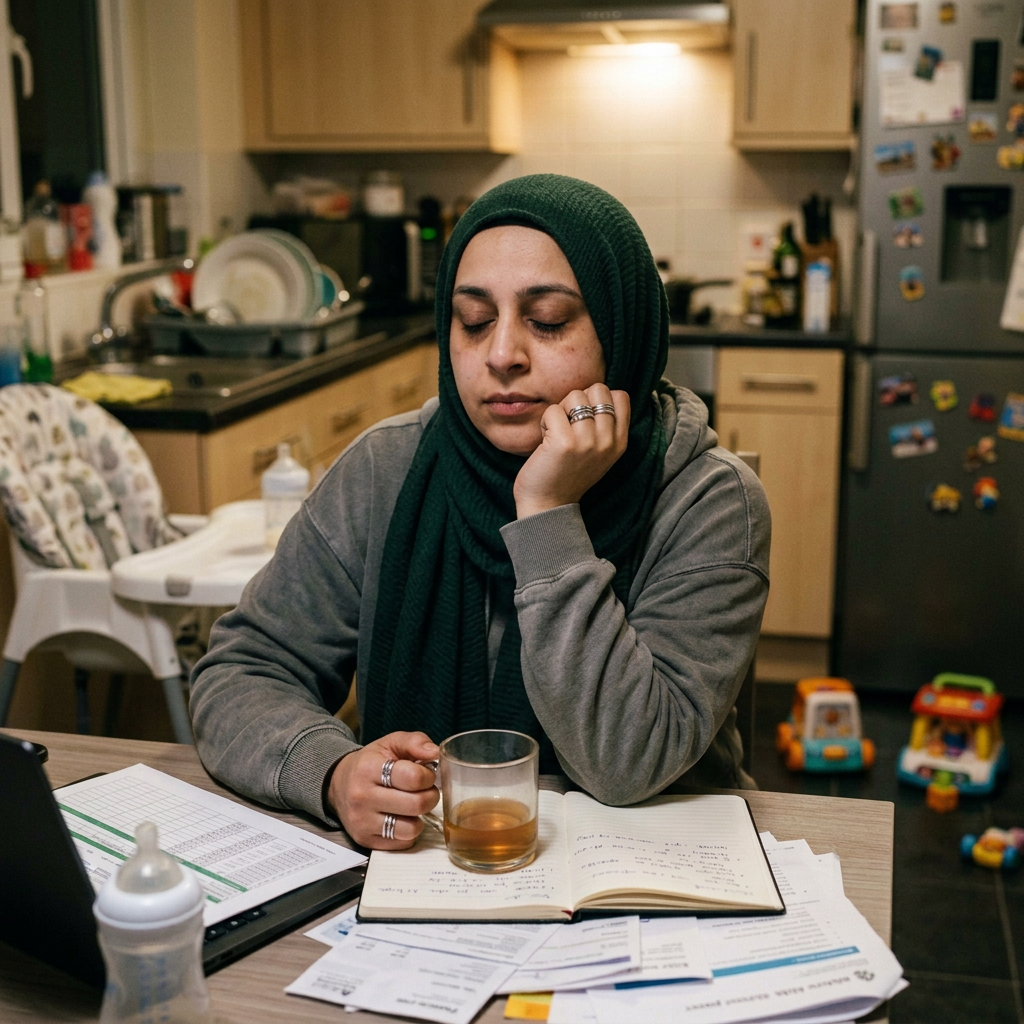
If you are tired all the time, the first step is to rule out the causes a doctor can test for. If those come back normal and you are still running on empty, the problem is often not a lack of effort. It is a body that never gets the signal that it is safe to stop.
I’m a doctor of 17 years, and for ten years I was told my bloods were normal. This is what I wish someone had explained to me.
See your GP first
Tiredness has medical causes, and some need treatment. Please book a GP appointment if your tiredness has gone on for weeks, or if it comes with any of these:
– unexplained weight loss, fever or night sweats
– breathlessness, chest pain or a racing heart
– very heavy periods
– low mood that is not lifting
– a new lump, or pain that does not settle
This article is not medical advice, and coaching is not medical treatment.
Why “normal bloods” is not the end of the story
A blood test tells you what the test could see on that day. It checks for things like anaemia, thyroid problems and vitamin levels. It does not measure how hard your body has been working to stay on alert.
Think of a phone left on low-power mode all day. Nothing is broken, and the battery still drains faster than it charges. A normal result means nothing is clearly broken. It does not mean you are well.
A system problem, not a discipline problem
Most women I work with have already tried the extra vitamin, the earlier alarm and the stricter routine. None of it worked, because it was never a discipline problem. When your nervous system stays switched on all day, pushing harder makes the drain worse.
This is why “nervous system regulation” is the phrase more women are searching for. It means helping your body move out of alert mode and back into rest. You can read more in Nervous system regulation for Muslim women https://blog.embodiedsunnah.com/2026/10/11/nervous-system-regulation/
Sleep comes first
Sleep is the first pillar I work on, because nothing else holds without it. Three things are worth looking at this week:
The stretch between Isha and Fajr. Is it protected, or is it filled with screens, tasks and tidying?
How you wake. Waking tired after a full night is a clue that the night did not restore you.
What you do in the last hour. A fixed, quiet wind-down tells your body the day is over.
Then stillness
Stillness is the second pillar. It is not another task. It is a few minutes in the day when you are not producing anything: a slower wudu, a longer sujood, sitting without your phone.
The Prophet ﷺ reminded Abdullah ibn Amr that “your body has a right over you” (Sahih al-Bukhari 5199). Rest is not something you earn at the end. It is a right your body holds.
What to do this week
Start with one change, not six. Protect your Isha-to-Fajr stretch for seven days and notice how you wake.
If you want to know which of the six pillars to start with, take the quiz: Which Pillar Is Calling You Right Now? https://zaradiagnos-gej7u6gg.manus.space/
If you want to talk it through with me, book a free 30-minute Clarity Call https://calendly.com/zaraosmani/clarity. It is confidential and without obligation.
Leave a Reply